An interactive field story
Hidden
Patagonia
The story beneath the famous landscape: why Patagonia carries this name, who travelled it before European maps, and why the ground is still moving.
BeginPhotography · Luciano Bacchi
Loading geographic terrain…
Drag to explore · scroll to zoom
Move through the layers
A living
relief
Before Patagonia was a name
The land was
never empty.
Long before outsiders imagined a blank southern frontier, Aónikenk families travelled through a known and connected territory.
The word “Tehuelche” has often been used as a broad label for different peoples of Patagonia. In the south, Aónikenk histories describe seasonal routes shaped by water, animals, weather, kinship and exchange. Movement was not wandering without direction; camps and paths were part of deep geographical knowledge.
Colonial accounts later reduced living societies to “Patagones,” “giants” or people from a disappearing past. Contemporary research and Indigenous resurgence challenge that idea. The history of Patagonia must include presence, not only loss.
El Chaltén trekking · a name written by weather
Chaltén, the
smoking mountain.
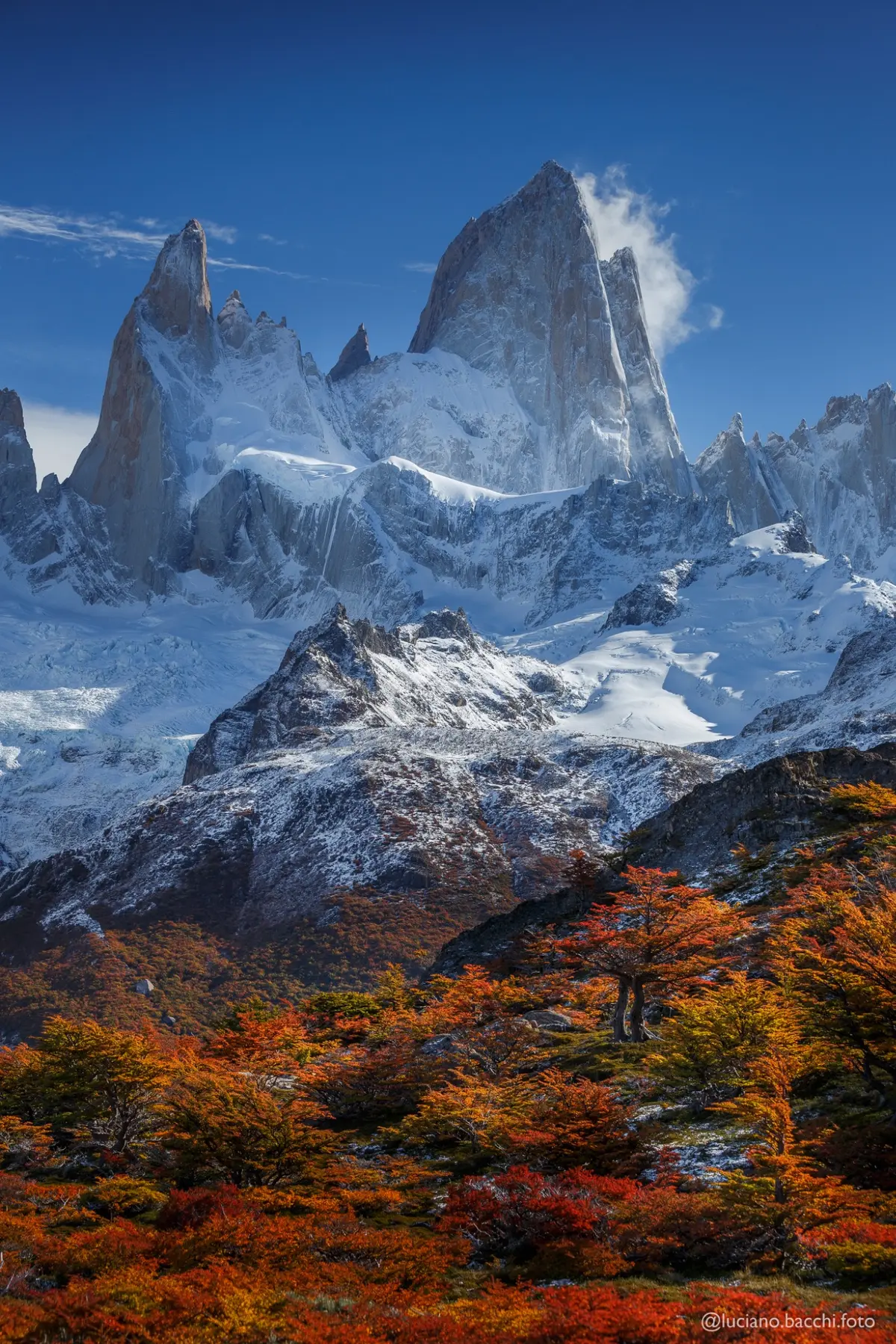
Before it was known internationally as Mount Fitz Roy, the massif was Chaltén.
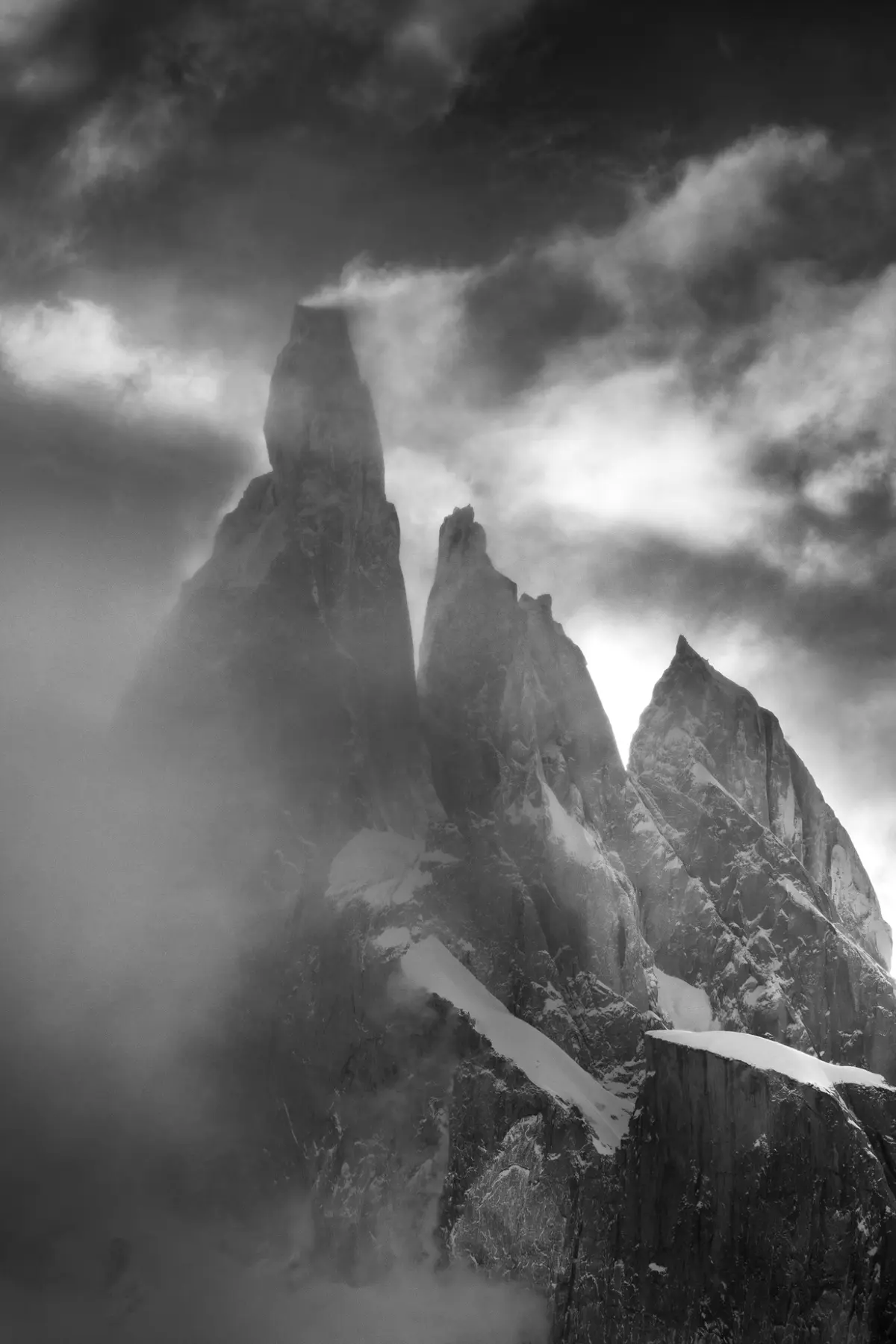
The name is commonly translated as “smoking mountain.” Seen from the Patagonian steppe, cloud often gathers and streams from the summit, making the granite appear volcanic. The name does more than identify a peak: it records a way of observing it.
That remains true on every El Chaltén trekking day in Los Glaciares National Park. A clear summit can vanish in minutes. Wind changes the temperature, rivers rise and ice reshapes familiar ground. Local knowledge starts with attention.
The landscape is still being made
Ice is not the
background.
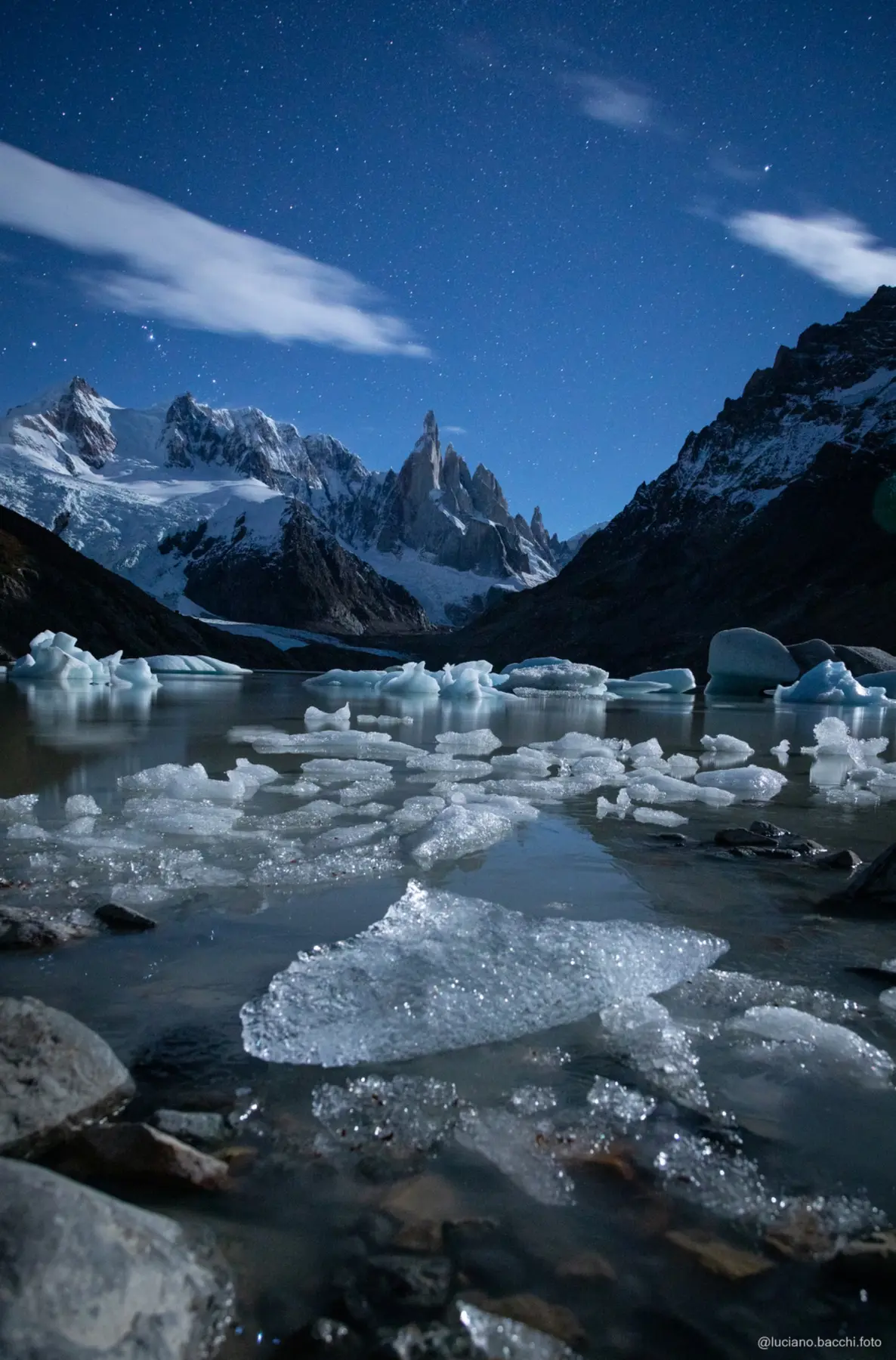
Glaciers are active parts of Patagonia’s water and terrain. They grind rock, carry sediment, open valleys and feed the lakes and rivers surrounding El Chaltén. The Southern Patagonian Ice Field is one of the defining bodies of ice in the southern Andes.
What “hidden” means to us
Not a secret place.
A different way of seeing.
Hidden Patagonia is not a claim that we discovered something others missed. It is an invitation to look beyond the famous photograph and understand the decisions, weather, stories and living systems behind it.
Patagonia · frequently asked questions
Questions behind
the landscape.
01Why is Patagonia called Patagonia?
The name entered European records after Ferdinand Magellan's expedition wintered at Puerto San Julián in 1520. Chronicler Antonio Pigafetta wrote that Magellan called the people they encountered “Patagoni.” The exact origin of the word is still debated; the familiar “big feet” explanation is not established fact.
02Were the Patagonians really giants?
No evidence supports a race of giants. European accounts exaggerated the height of the people they met, probably Aónikenk or Southern Tehuelche. Those stories circulated for centuries and helped turn Patagonia into a European myth of the far south.
03Who are the Aónikenk or Tehuelche?
Aónikenk is a name associated with the Indigenous peoples of southern continental Patagonia. “Tehuelche” is a broader historical label. Their routes, camps and social networks connected large parts of Patagonia. Aónikenk and Tehuelche communities and descendants remain present today.
04What does El Chaltén mean?
El Chaltén is commonly translated as “smoking mountain,” a reference to the clouds that often wrap the granite summit and made it appear volcanic from the steppe. The massif is also widely known as Mount Fitz Roy.
05Is Hidden Patagonia a fixed tour?
No. Hidden Patagonia is Fitz Roy Expediciones’ way of reading and travelling through the region: small groups, local knowledge, flexible decisions and attention to weather, terrain and less-travelled places.
06Why is El Chaltén known for trekking?
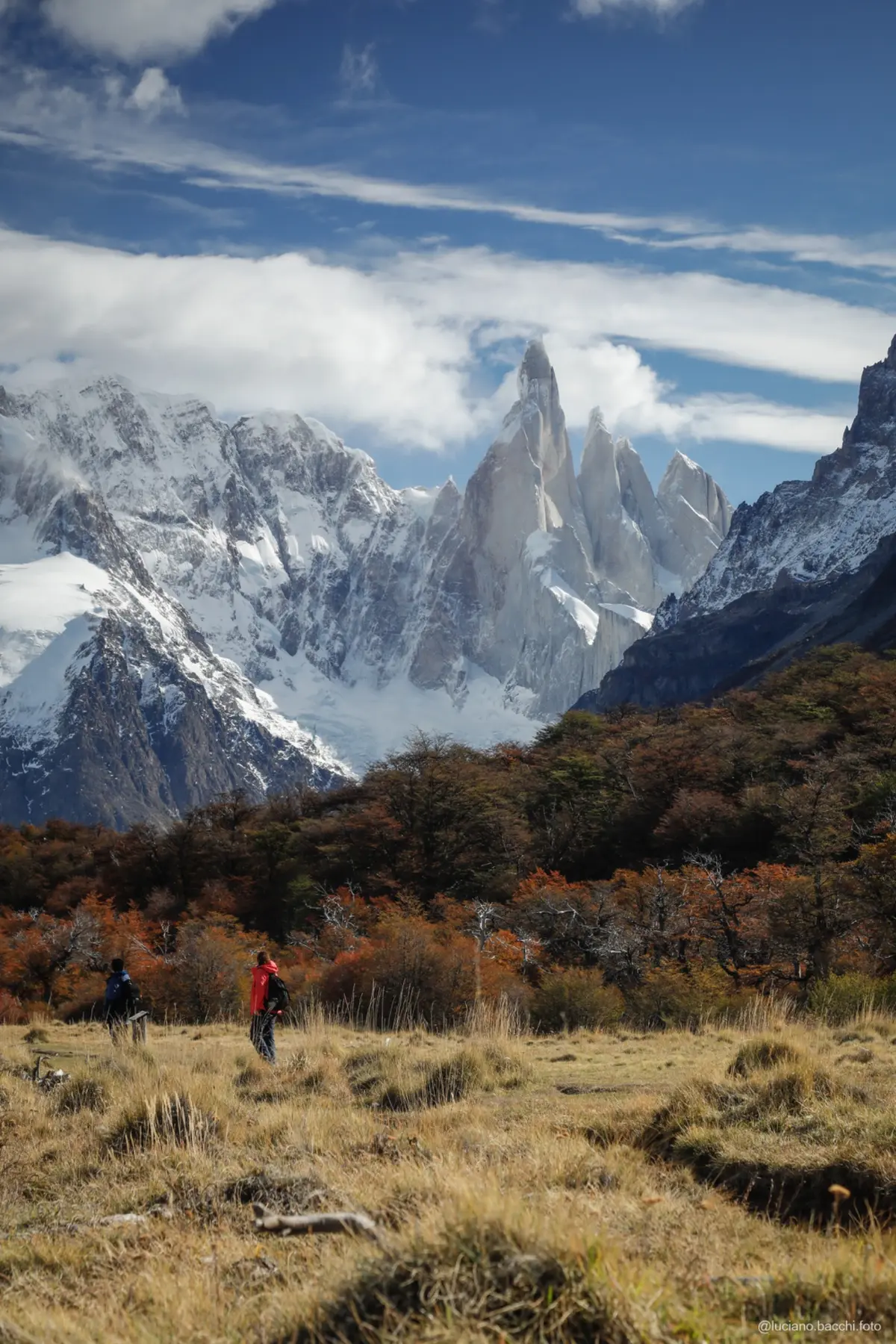
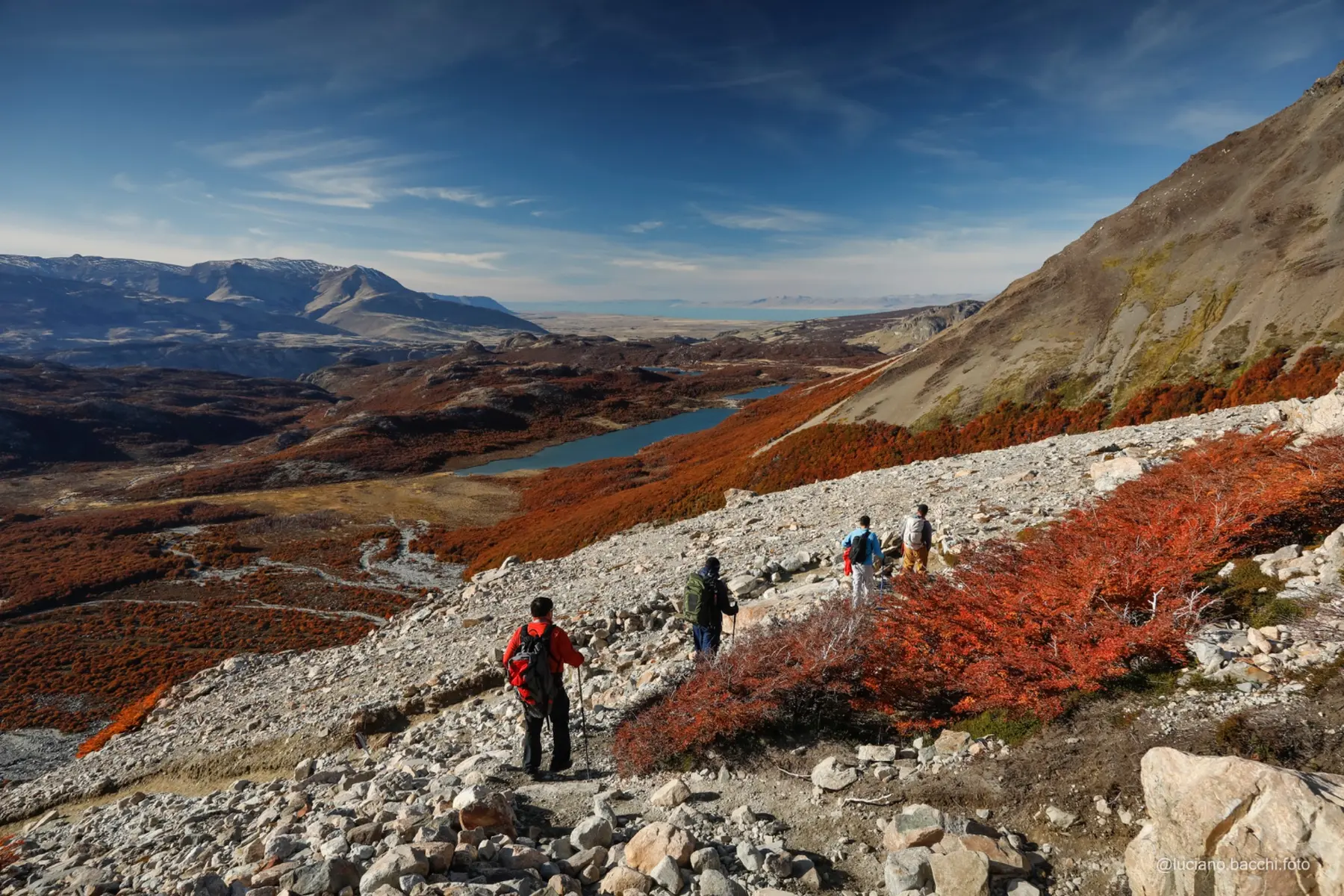
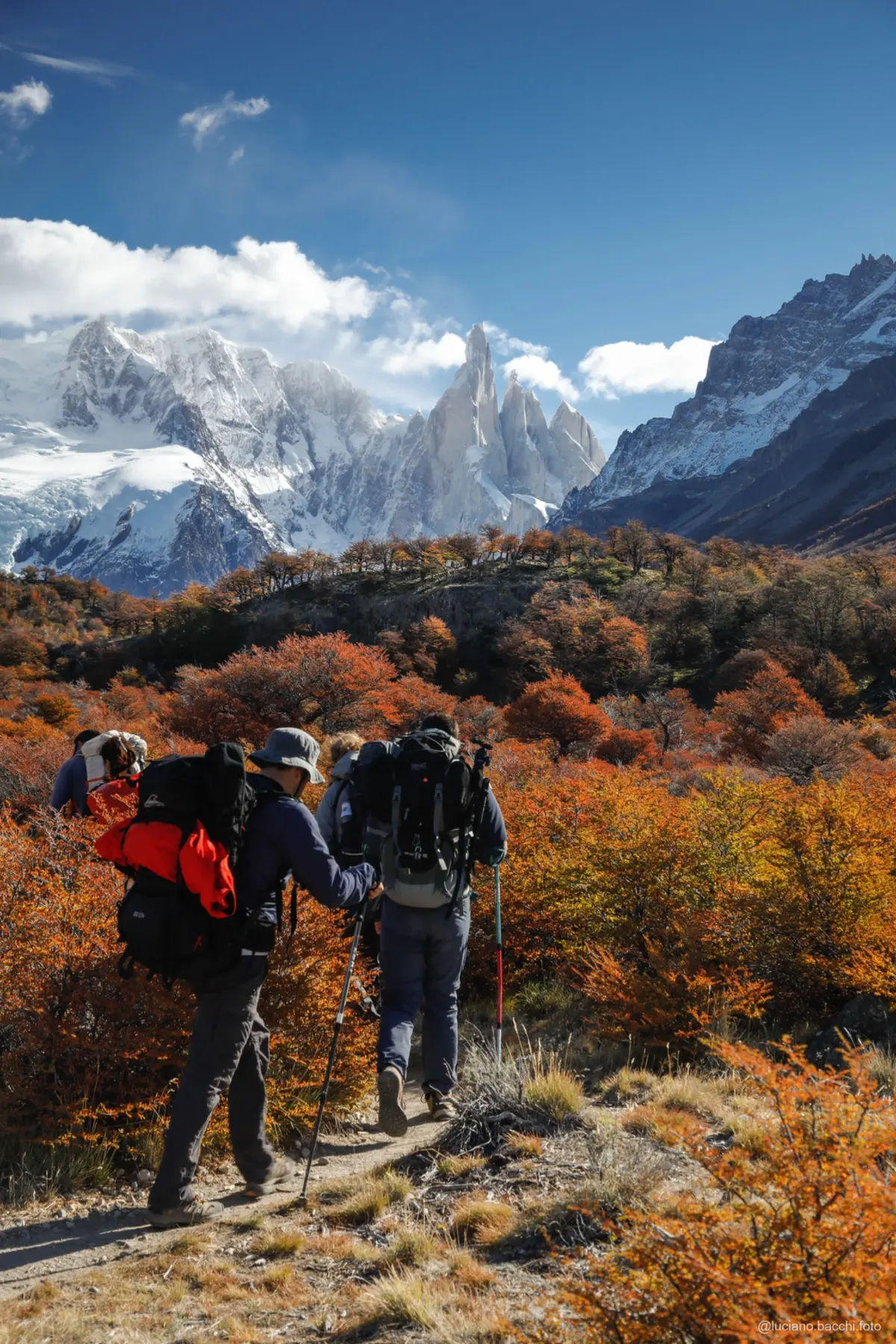
El Chaltén trekking combines trails that begin close to town with access to forests, glacial valleys and viewpoints toward Fitz Roy and Cerro Torre. Routes such as Laguna de los Tres and Laguna Torre are well known, but weather, trail conditions and each walker’s experience still matter.